
Should You Repair or Replace Your Garage Door?
Most garage door problems are fixable with a targeted repair. Full replacement makes sense in a smaller set of situations — here’s how to tell which one applies to you.
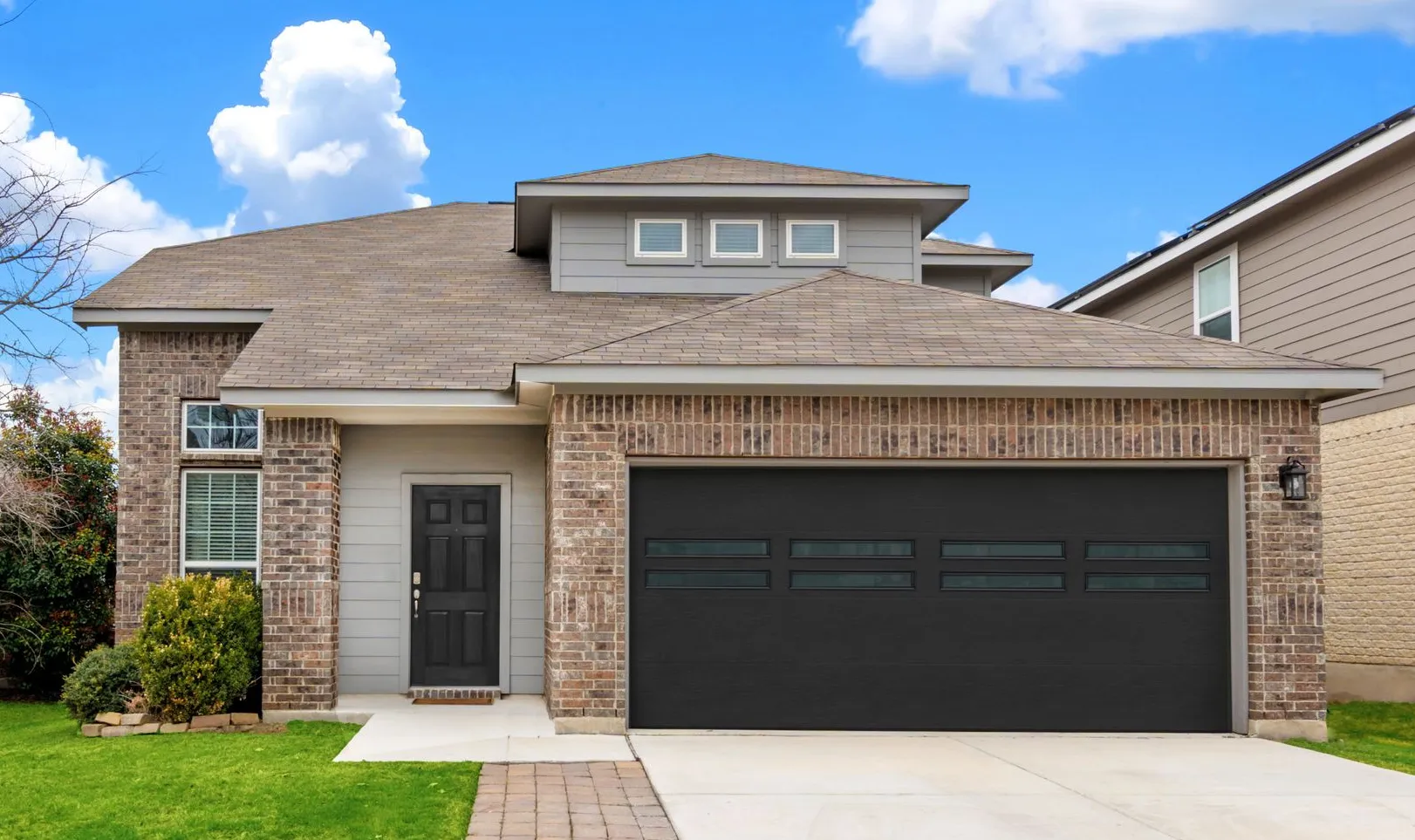
Quick Decision Guide
- One component failed (spring, cable, opener, a roller or two) on a door that’s otherwise in good shape — repair almost always makes sense.
- Multiple components are failing or the door is 15–20+ years old with a history of repeat repairs — replacement is often more cost-effective long-term.
- Significant panel damage or a badly bent, non-repairable frame — usually replacement.
- The door doesn’t meet current Florida wind/impact code and you want it to — replacement is the only way to actually upgrade this; repair can’t change a door’s wind rating.
When Repair Makes Sense
If your door is structurally sound and one part failed — a broken spring, a snapped cable, a dead opener — repairing that single component is almost always the cheaper and faster option. See our pages on spring repair, cable repair, and opener repair.
When Replacement Makes Sense
Replacement starts to make more financial sense when a door is old enough that components are failing one after another, when panel damage is extensive, or when the underlying frame is too damaged to reliably repair. See our installation page for details on hurricane-rated options.
Cost Comparison
A full door replacement costs substantially more but resets the whole system at once and can include a code upgrade. See our full cost breakdown.
The Coral Springs HVHZ Consideration
Coral Springs sits in Broward County’s High-Velocity Hurricane Zone, which carries the strictest wind and impact requirements in the country. If your current door doesn’t have a Miami-Dade Notice of Acceptance (NOA) or Florida Product Approval rating, repairing it — even perfectly — doesn’t change that.
Condition Checklist
| Factor | Leans toward repair | Leans toward replacement |
|---|---|---|
| Age of door | Under 15 years | 15–20+ years |
| Recent repair history | First issue in years | Multiple repairs in the last year or two |
| Panel condition | Cosmetic wear only | Dents, cracks, or rot on multiple panels |
| Frame/track condition | Straight, solid mounting | Bent, rusted, or repeatedly coming loose |
| Wind/impact rating | Already meets current code | Predates current HVHZ requirements |
| Opener | Working reliably | Failing independently of the door itself |
Most homeowners land somewhere in between rather than cleanly on one side. It’s when most of the checklist points toward replacement that it starts being the more cost-effective long-term choice.
Isolated Problem or Systemic Wear?
A single broken spring on an otherwise well-maintained 8-year-old door is an isolated problem — repair it and move on. A door where the opener struggles, the rollers are noisy, and a panel is dented all around the same time is more likely showing systemic wear, where replacement resets everything at once.
Frequently Asked Questions
How old does a garage door need to be before replacement makes sense?
Can bracing a garage door meet Florida’s hurricane code?
Is it cheaper to repair now and replace later?

Get an Honest Assessment
Not sure which situation you’re in? We’ll help you figure out whether repair or replacement is the right call.